A family comes to you during one of the most difficult times in their lives. A positive monument shop customer experience isn't just about compassion; it's about providing clarity, reliability, and peace of mind through a structured, transparent process. Technology, when applied thoughtfully, can transform your workflow from a source of stress into a system that builds trust and confidence for both your team and the families you serve.
Using technology is not about replacing the human element of your work. Instead, it’s about supporting your team by automating routine tasks, centralizing information, and eliminating common points of friction. The result is a smoother process that allows you to focus more on the family and less on chasing paperwork.
Centralize Communication and Order Details from the Start
The customer experience begins the moment a family makes an inquiry. From that first phone call or visit, you are collecting critical information that will follow the order through every stage of production. When this information lives in disconnected places—a notebook, a spreadsheet, an email thread—it creates opportunities for error and makes it difficult for anyone on your team to get a complete picture of the order.
A centralized system acts as a single source of truth. Every detail, from the family's contact information and the chosen granite type to the specific epitaph and cemetery contact, is stored in one place. This immediately improves the experience for the family. When they call with a question, any member of your staff can pull up their complete file and provide an accurate answer without placing them on hold to search for a physical folder or ask a colleague.
This initial data entry is the foundation for the entire job. It should capture:
- Family and Deceased Information: Names, relationships, and contact details.
- Cemetery Information: Including location, regulations, and contact person.
- Monument Specifications: Stone type, size, shape, and finish.
- Design Elements: The complete text for the epitaph, chosen fonts, and any symbols or images requested.
By capturing this information digitally from the beginning, you create a clear and searchable record. This prevents the frustration of asking a family to repeat information they have already provided and ensures every department, from sales to design to production, is working from the same set of facts.
Streamline the Design and Approval Process
The design and approval stage is often the most emotionally significant part of the process for a family. It is also a stage with high potential for miscommunication and costly rework. A disorganized approval process, relying on printed drafts and back-and-forth emails, can cause delays and create anxiety for families who are eager to see the final tribute take shape.

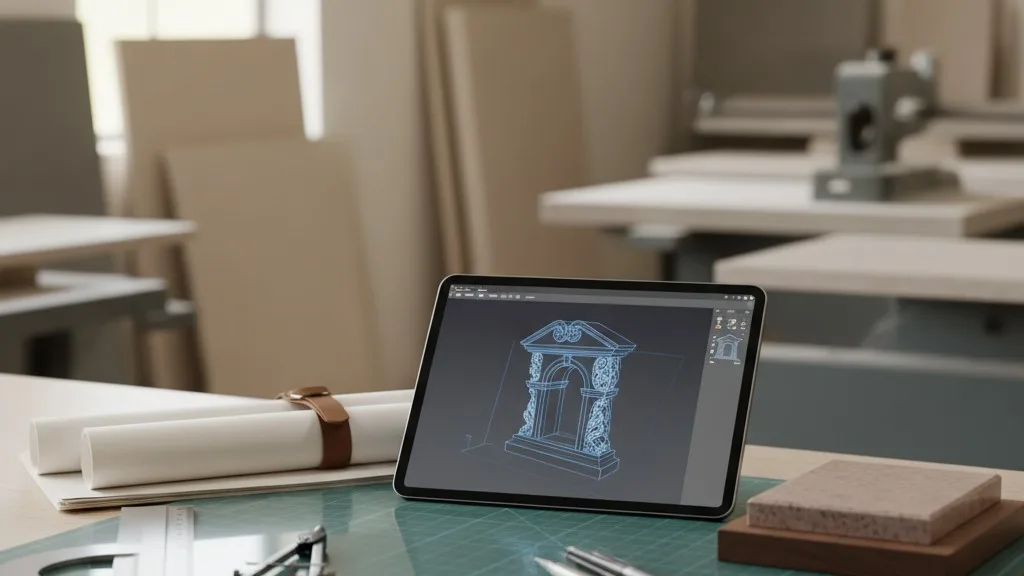
Technology can bring structure and transparency to this critical workflow. Instead of emailing PDF files that can get lost in an inbox, you can use a system that presents design proofs to the family in a clear, accessible format. The key is to create a formal, trackable approval step. When a family reviews a design, their approval should be a distinct action that is logged in the system, creating a permanent record with a timestamp.
This approach provides several benefits to the monument shop customer experience:
- Clarity: The family sees exactly what they are approving, reducing the chance of misunderstandings about spelling, dates, or design placement.
- Accountability: A formal approval record protects both the family and your shop. It confirms that the design was reviewed and accepted before any stone is cut.
- Efficiency: Once an approval is logged, the order can automatically move to the next stage in your production queue. This eliminates the lag time that occurs when a verbal or emailed “okay” has to be manually relayed to the production team.
For more on this crucial step, see our guide to creating a better five-step monument approval process. A reliable system here builds confidence and prevents the heart-wrenching and expensive discovery of an error after the stone has been engraved.
Provide Proactive Updates on Production Status
After a family approves a design, a period of waiting begins. For them, this can be a time of uncertainty. Without information, they may worry that their order has been forgotten or that something has gone wrong. Frequent calls to your shop asking for updates take up your staff's time and signal that the family feels out of the loop. Technology can help you shift from a reactive to a proactive communication strategy.
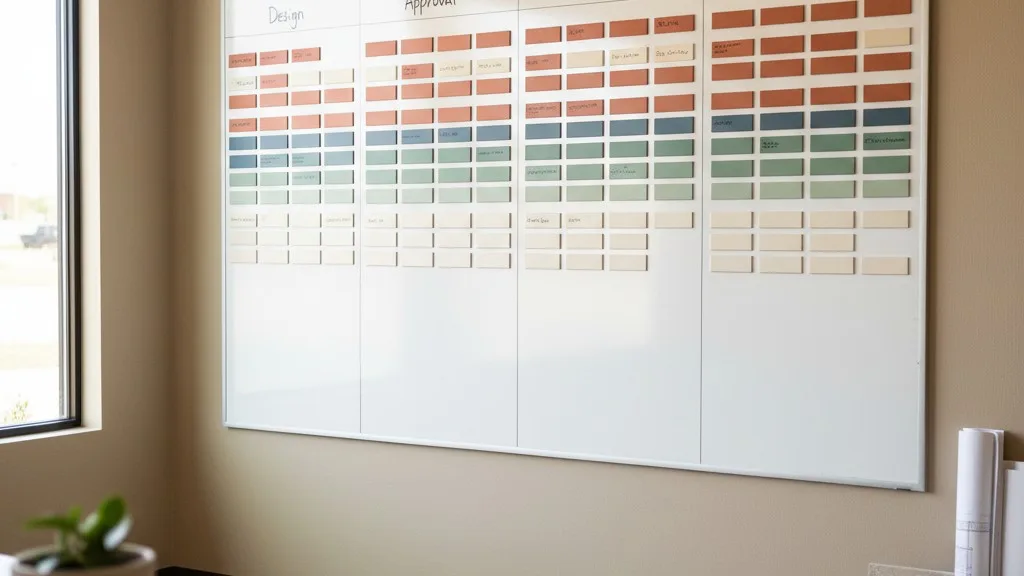
When your production workflow is tracked in software, you gain the ability to see the status of every job at a glance. You can define the key stages of your process—such as “Stone Ordered,” “Design Stenciled,” “Engraving in Progress,” and “Ready for Setting”—and update the job as it moves through each one. This internal clarity is the first step. The next is sharing that clarity with the customer.
You don't need to give families a login to your entire system. The goal is to provide meaningful updates at key milestones. This could be an automated email or a quick, personalized message from your staff, triggered when an order moves to a new stage. For example:
“Good morning, [Family Name]. Just a quick note to let you know that the design for your family's monument has been transferred to the stone, and it is now scheduled for engraving. We will let you know when the next step is complete.”
This simple act of communication is incredibly powerful. It reassures the family that progress is being made and that their order is being handled with care. It demonstrates professionalism and empathy, reinforcing their decision to trust you with this important work. Internally, a well-managed digital workflow helps you identify bottlenecks and reduce monument production delays before they impact the customer.
Improve Scheduling for Setting and Installation
The final step in the process is the installation of the monument at the cemetery. This is the culmination of weeks or months of work, and its success depends on precise coordination. A missed appointment, a delay in delivery, or arriving with the wrong equipment can spoil an otherwise positive customer experience at the last moment.

Technology can help manage the complex logistics of delivery and installation. A shared digital calendar and scheduling tool ensures that everyone involved—your setting crew, the cemetery manager, and the family—is aligned on the date, time, and location. Using a system designed for this work allows you to attach critical information directly to the appointment, such as:
- Cemetery-specific instructions: Gate codes, contact information for the sexton, and rules regarding vehicle access or equipment.
- Order details: The exact monument being set to ensure the crew loads the correct one.
- Location information: The specific plot, section, and lot numbers, often with a map or GPS coordinates.
When your scheduling is integrated with your main operations software, the risk of error decreases dramatically. The information is pulled directly from the order, not re-typed from a note. Your delivery team can see their full schedule for the day, optimized for the most efficient route. Software like Petra integrates vault and monument scheduling, providing a single, reliable view for your entire delivery operation.
Offer Clear and Professional Invoicing
The final financial transaction is also a part of the customer experience. A confusing, inaccurate, or delayed invoice can leave a poor final impression. Families expect a clear statement that matches the quote they originally approved. Manually creating invoices in a separate program or by hand invites errors and takes up administrative time.
When your point-of-sale, order management, and accounting are connected, invoicing becomes a simple and accurate final step. The invoice should be generated directly from the original order, ensuring all line items, prices, and taxes are correct. This is where a direct integration with accounting software like QuickBooks® Online becomes invaluable.
With a system like Petra, the order information created at the start of the process flows directly through to QuickBooks Online. There is no need to manually re-enter customer details, order specifics, or payment information. This saves significant administrative time and, more importantly, eliminates the risk of typos and other data entry errors that can lead to frustrating and unprofessional billing disputes. Providing a clean, correct invoice that is easy to understand and pay is a final sign of respect and professionalism.
Technology Supports Your Most Important Work
Improving the monument shop customer experience with technology is not about becoming less personal. It is about building a reliable, transparent, and efficient foundation that frees you and your team to focus on the human side of your work. By centralizing information, streamlining approvals, providing proactive updates, and ensuring accuracy from sales to installation, you give families the confidence and peace of mind they deserve.
A better process reduces stress for everyone. When your team isn't fighting fires or searching for information, they have more capacity for the compassion and craftsmanship that define your business. If your shop is struggling with disconnected systems, see how Petra can help unify your operations by requesting a conversation with our team.