
Communicating with families during the monument design process is one of the most sensitive and critical parts of your work. A clear, consistent process prevents misunderstandings and reduces stress for grieving clients, ensuring they feel cared for and confident in their decisions. Establishing a reliable system for monument design process communication builds trust and helps your team manage projects smoothly from the initial conversation to the final setting.
Setting Clear Expectations from the First Meeting
Effective communication begins the moment a family walks through your door or calls your shop. The initial consultation is your opportunity to establish a foundation of trust and clarity that will carry through the entire project. Grieving families are often navigating this process for the first time and appreciate a gentle, guiding hand. Your goal is to demystify the steps involved and give them a predictable path forward.
Start by outlining the entire monument design and production timeline. Break it down into distinct phases: initial design, proofing and approval, material ordering, sandblasting or etching, and finally, installation. For each phase, provide a realistic time estimate. Be honest about potential variables that can affect the schedule, such as cemetery permit approvals, special order material availability, or seasonal weather delays impacting foundation work. Framing these as normal parts of the process, rather than unexpected problems, helps manage expectations.
Discuss how your shop will communicate at each stage. Will you send emails with design proofs? Will you call to confirm approvals? Let them know who their primary point of contact will be and the best way to reach them. Providing this structure from the start prevents anxious follow-up calls and ensures the family knows what to expect, and when. Consider preparing a simple one-page document that summarizes these steps, which they can take home. This small gesture can be an immense comfort, giving them something concrete to refer to when they feel overwhelmed.
The Initial Design and Quoting Stage
After the initial consultation, the first active step is creating the preliminary design and quote. This stage is about translating the family's wishes into a tangible concept. Your communication here must be both compassionate and precise. When you send the first draft, it's more than just a drawing; it's the first real visualization of their loved one's memorial. Present it with care, explaining the choices you made based on your conversation.
The quote should be just as clear. Itemize every component, including the stone type and size, the cost of lettering (per letter or flat fee), any design elements like etchings or ceramic photos, and foundation and setting fees. Transparency prevents future disputes over costs. If there are optional elements, list them separately so the family can make informed choices without feeling pressured. This detailed approach is a key part of good headstone planning and communication.
When you present the initial design, frame it as a starting point for discussion. Use phrases like, “Here is a first draft based on what we discussed. Please take your time reviewing it, and let us know what feels right and what you’d like to adjust.” This invites collaboration and reassures the family that their input is essential. Be prepared to listen more than you talk, and patiently answer questions about why certain design elements may or may not work on a particular type of stone or size of monument.
Managing the Proofing and Approval Process
The proofing stage is where details are finalized and mistakes are caught before they are literally set in stone. This is arguably the most critical communication checkpoint in the entire monument design process. A rushed or unclear approval can lead to costly rework and profound disappointment for the family. Your process here must be methodical and unambiguous.
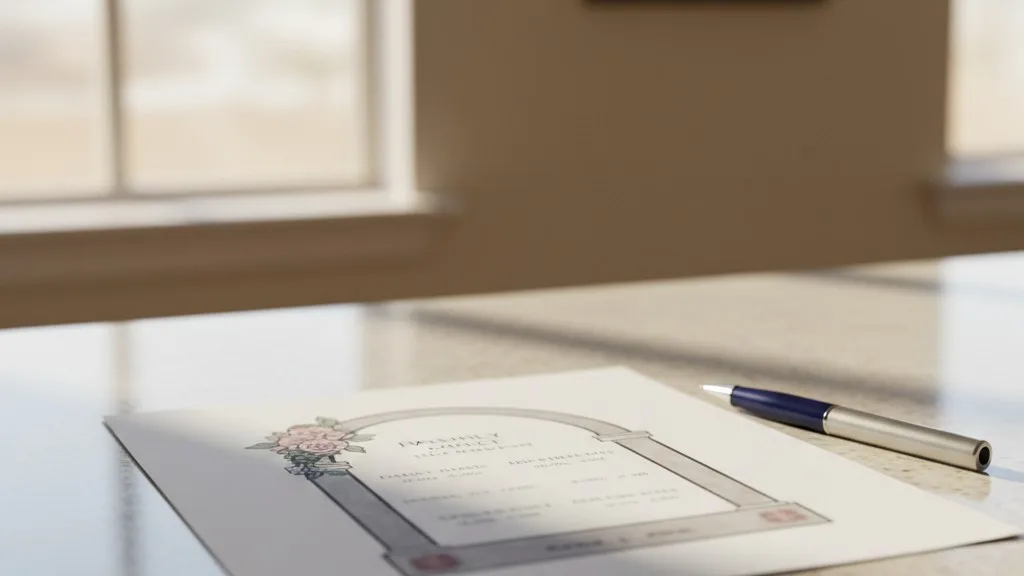
When you send a design proof for approval, include clear instructions. State exactly what the family needs to check: the spelling of all names, the accuracy of all dates, the placement of design elements, and the correctness of any epitaphs. Some shops find it helpful to include a checklist with the proof, requiring the family to initial each item as they verify it. This encourages a thorough review rather than a quick glance.
Always require a formal, written sign-off. A verbal “it looks good” over the phone is not enough. An email reply or a physically signed document creates a clear record of approval that protects both the family and your shop. Your approval request should state clearly: “Please reply to this email with ‘I approve this design’ to confirm that all information is correct and we can proceed to production. Please note that production will not begin until we receive your written approval.” This language is polite but firm, establishing a clear trigger for the next phase of work.
If a family requests changes, create a new proof and repeat the approval process. Never proceed based on a list of verbal or emailed corrections without incorporating them into a final, clean proof for sign-off. Each revision should be versioned (e.g., “Proof v2,” “Proof v3”) to avoid confusion. This meticulous approach to approvals is a hallmark of professional monument design process communication.
Communicating During Production and Potential Delays
Once the design is approved, the family’s direct involvement decreases, but their need for information does not. A long period of silence can cause anxiety. Proactive updates, even when there's nothing new to report, are a powerful way to show you haven't forgotten them. A simple, brief communication strategy can make all the difference during the production phase.
Consider setting up a few standard touchpoints. For example, you could send a short email when:
- The stone has been ordered or allocated from inventory. A simple, “We’ve officially ordered the granite for your memorial and expect it to arrive in our shop in approximately two weeks.”
- The stone has arrived and entered production. “Just to let you know, the stone has arrived and is now in line for sandblasting.”
- The monument is complete and awaiting installation. “The engraving and finishing work on your family’s monument is complete. We are now working with the cemetery to schedule the installation.”
These updates don't need to be long, but they bridge the quiet periods and reassure the family that progress is being made. This is also where you must be upfront about any delays. If a granite shipment is late or the cemetery is slow to approve the permit, inform the family as soon as you know. Waiting until the promised delivery date has passed to announce a delay erodes trust.
When communicating a delay, be direct, explain the reason, and provide a new, realistic timeline. Most families are understanding when they know what’s happening. For example: “We’re writing to let you know about a delay in the creation of your monument. The specific granite color we ordered has been backordered by our supplier, and they now estimate it will arrive in three weeks instead of one. This will unfortunately shift our estimated installation date. We will contact you the moment it arrives and will keep you informed.” This kind of honest and timely update is far better than silence.
Coordinating the Final Installation
The final step is setting the monument in the cemetery. This is the culmination of your work and the family's wait. Clear communication is essential to ensure this final phase goes smoothly and provides the family with a sense of closure. Your coordination with the cemetery and the family must be precise.

Once you have a firm installation date from the cemetery, inform the family immediately. Provide them with the date and, if possible, a time window. Let them know what to expect. Explain that cemetery regulations may dictate when work can be done. Also, clarify whether they can or should be present for the installation, as policies vary.
After the monument is set, a final communication is a crucial closing step. A simple phone call or an email with a photograph of the finished, installed memorial can be incredibly meaningful. This gesture confirms the work is done and provides the family with an image of the final tribute, which can be especially comforting for out-of-town relatives. A message like, “We wanted to let you know that your family’s monument was installed today at the cemetery. We have attached a photo for you. It has been an honor to serve your family,” provides a respectful and definitive conclusion to the process.
Using Technology to Improve Communication
Managing communication for dozens of concurrent projects can be challenging. Relying on handwritten notes, spreadsheets, and memory often leads to details falling through the cracks. Modern monument shop software can provide a central hub for tracking every order, including its communication history. A system like Petra allows you to see an order’s status, review attached design proofs, and see notes about family conversations all in one place. When a family calls for an update, anyone on your team can pull up the order and give them an accurate, informed answer instantly.
By centralizing this information, you create a single source of truth for your entire operation, from the sales team to the designers and the production floor. This ensures that every team member is on the same page, reducing internal confusion and presenting a unified, professional front to the families you serve. Having a system that links order details directly to production schedules and even accounting through a QuickBooks Online integration streamlines the entire workflow, freeing up your time to focus on what matters most: serving your clients with compassion and care.
Conclusion
Excellent monument design process communication is not about grand gestures; it's about consistency, clarity, and compassion. By setting expectations early, requiring formal approvals, providing proactive updates, and coordinating the final installation carefully, you can guide families through a difficult time with professionalism and grace. This structured approach reduces stress for them and your team, preventing errors and building a reputation for trustworthiness that is the foundation of any successful monument business.
If you're looking for a system to help manage your orders, production, and family communications in one place, we’d be glad to show you how Petra can help. Schedule a conversation with our team today.


